

How to Build a Fintech Wallet That Supports NFC, QR, and Virtual Cards?
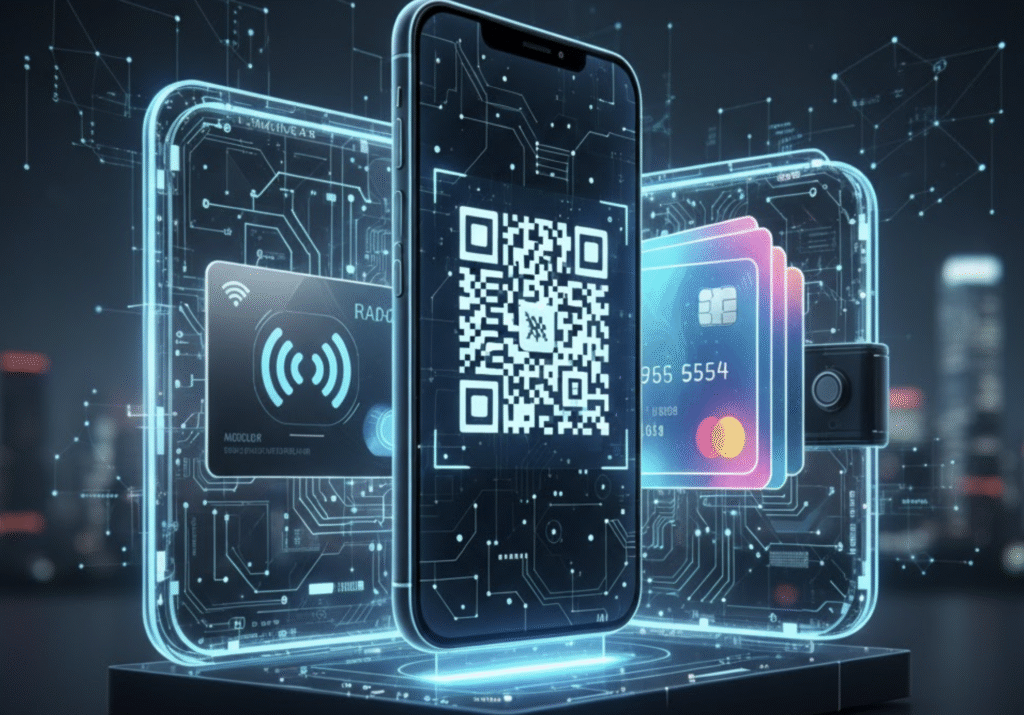
Introduction: Beyond the Basic Digital Wallet
In 2026, digital wallets are rapidly becoming the primary interface for payments, loyalty, and even identity in emerging and mature markets alike.
Today’s leaders—GCash (Philippines), Paytm (India), STC Pay (GCC), Revolut (Europe), Apple Wallet (Global)—have set a new baseline for what users expect:
- Tap-to-pay NFC
- Universal QR-based payments
- Instant virtual card issuance
- Real-time alerts, limits, and balance updates
- Secure in-app identity and biometrics
Why Build a Full-Stack, Feature-Rich Wallet?
- Customer Demand: Over 82% of smartphone users in Asia-Pacific used either QR or NFC payments in 2025, and the number is surging in GCC, Africa, and Latin America.
- Financial Inclusion: Virtual cards expand access for the unbanked, especially in regions with low physical card issuance.
- Interoperability: QR acceptance is fast becoming the de facto “universal interface” in India, China, Southeast Asia, and increasingly, the Middle East.
- Revenue Levers: A robust wallet increases daily engagement, drives fee growth, and enables cross-selling of lending, insurance, and wealth products.
Read More about Payment Aggregator Software Development
Core Technical Architecture: What Do You Need?
| Key Module | Technical Requirements | Notes |
| User KYC/Onboarding | Fast API-driven onboarding, local ID/KYC checks, biometric readiness | Compliant, rapid user growth |
| Balances & Ledgers | Microservice/ledger engine, real-time updates, multi-currency, reconciliation | For audit, regulatory, and user trust |
| NFC Payments | HCE (Host Card Emulation), tokenization, EMVCo standards, wallet app support | Android/iOS SDK, works with tap terminals |
| QR Code Payments | Dynamic QR generation, EMVCo/UPI standards, scanner integration | Supports static/dynamic merchant/peer QR |
| Virtual Card Issuance | BIN sponsorship, card lifecycle API, in-app controls, link to wallet balance | Supports closed/open loop, Visa/Mastercard/UnionPay |
| P2P & Bill Pay | UPI/ACH/API integrations, address book, analytics | Must cover top 5 local rails + billers |
| Fraud & Risk | Rules engine + ML anomaly detection, 3D Secure, device verification | Real-time, scalable, tunable |
The NFC Edge: Commerce Without Borders
NFC (Near Field Communication) tap-to-pay is now supported by 90%+ of new POS devices in Europe, SEA, and the Gulf. Solutions must:
- Support HCE (software card emulation) and major device Secure Elements
- Enable tokenization for security (single-use credentials)
- Pass EMVCo & PCI DSS audits for contactless transactions
(Android and iOS both support custom wallet apps with NFC.)
QR Code Power: The Universal Standard
Markets like India (UPI), China (WeChat/Alipay), GCC, and South Africa are fast moving to QR as the universal, instant-payment layer. To compete:
- Implement both static and merchant-dynamic QR generation and scan
- Ensure compliance with ISO 20022, EMV, Rupay/UPI, and region-specific QR frameworks
- Support for merchant, P2P, and biller QR flows out of the box
Read More about Digital Wallet Development
Virtual Card Issuing: Unlocking Digital-First Finance
Instant digital issuance enables users to shop online, generate one-time cards, and access e-commerce securely:
- Integrate with issuing partners or operate under your own BIN/sponsorship
- Offer lifecycle controls in-app (freeze, delete, renew, change PIN)
- Link cards to wallet balance in real-time, with instant spend and notifications
Go-To-Market Checklist: What to Prepare
- Regulatory Alignment: Ensure digital wallet and e-money licensing (if needed) in target market.
- Banking/Payment Rails: Integrate top 3–5 local rails (UPI, Pix, Faster Payments, SEPA Instant, etc.)
- Security: All endpoints PCI DSS, SCA, and local protections.
- User Experience: Design for “tap, scan, swipe”—minimize clicks, enable biometric login, instant notifications.
- Analytics: Real-time dashboard for spend, fraud, adoption—support product and marketing teams.
- Localization: Support for multilingual UI, multiple currencies, and local compliance screens.
Example Case Study: PrimeFin Labs Digital Wallet Platform
PrimeFin Labs delivers a modular, cloud-native wallet framework with:
- Instant NFC, QR, and virtual card modules (PCI DSS, UnionPay, Visa, Mastercard ready)
- White-label apps (Android/iOS), with onboarding and full KYC flow
- SDKs for direct merchant, partner, and API integration
- Control of source code, audit trails, risk/fraud logic (no vendor lock-in)
- Real-time analytics and ledger management
With deployments across Asia, the Gulf, and Africa, PrimeFin Labs enables fintechs to launch in 60–90 days—complete with wallet rails, digital card, and payment acceptance/funding methods that match top global standards.
The Fast Track: Why Build With PrimeFin Labs?
- Go live in 2–3 months, not a year
- Compliant out-of-the-box for local/global markets
- Add new features (crypto, bill pay, loyalty) as you grow
- Source code handed over for full control
- Serve use cases from super apps to fintechs to banks
Conclusion
A future-ready digital wallet is more than a balance and a list of transactions. Today, “can I support NFC, QR, and virtual cards?” is not just table stakes—it’s the foundation of user trust, market share, and fast revenue growth.
PrimeFin Labs is the partner of choice for fintechs, neobanks, and digital giants breaking into new markets—without having to build from scratch or get stuck with vendor lock-in.
- EMVCo Specifications and Standards for Contactless Payments
https://www.emvco.com/emv-technologies/contactless - UPI (Unified Payments Interface) – National Payments Corporation of India
https://www.npci.org.in/what-we-do/upi-product-overview - GSMA Mobile Money Deployment Tracker (for QR and NFC adoption statistics)
https://www.gsma.com/mobilemoney - World Economic Forum — Digital Payments Market Growth 2025
https://www.weforum.org/stories/2025/03/whats-behind-the-middle-easts-boom-in-digital-payments
